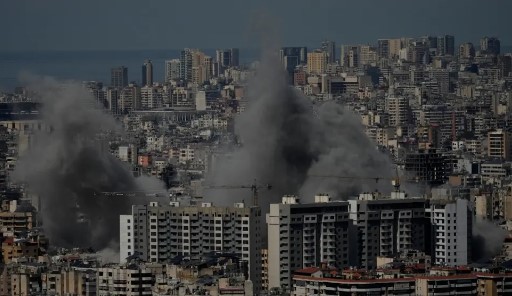
New Delhi, March 7 : The ongoing military confrontation involving Iran, Israel and the United States could have serious economic consequences for India if the conflict escalates or continues for a prolonged period, with experts warning of rising fuel prices, inflation and pressure on household budgets.
India, which imports more than 80 percent of its crude oil requirement, depends heavily on supplies from the Middle East. Analysts say any disruption in the region, particularly around the Strait of Hormuz, could trigger a sharp spike in global oil prices.
The economic effects are already being felt after the government increased the price of domestic LPG cylinders by Rs 60 for a 14.2-kg cylinder and Rs 115 for commercial cylinders.
Energy analysts say further escalation of the conflict could push international crude oil prices significantly higher, which would directly impact petrol, diesel and cooking gas prices in India.
Higher fuel prices often lead to a chain reaction across the economy, increasing transportation costs and pushing up the prices of vegetables, food grains and other daily commodities.
Economists warn that a prolonged conflict could also weaken the Indian rupee, affect stock markets and widen the country’s trade deficit as India would have to spend more foreign exchange on importing energy.
Industries dependent on fuel and transportation could also face pressure if global oil prices continue to rise. Small businesses, restaurants and transport operators are likely to feel the impact of rising fuel and LPG costs.
Shipping disruptions in the Persian Gulf could also affect global trade routes, raising freight and insurance costs for goods moving between Asia and Europe.
Experts say the Strait of Hormuz is one of the world’s most critical energy chokepoints, with a significant portion of global oil shipments passing through the narrow waterway. Any blockage or military escalation in the region could have ripple effects across global energy markets.
Agriculture could also face indirect impacts, as higher fuel costs often increase the price of fertilizers, irrigation and transportation of farm produce.
Economists caution that wars in major energy-producing regions historically trigger global inflation and economic uncertainty, affecting ordinary citizens far from the conflict zone.
Meanwhile, analysts have also raised concerns about social media narratives where some users are celebrating the conflict or supporting military escalation.
Observers say such reactions overlook the broader humanitarian and economic consequences of war, which often affect civilians, workers and low-income households the most.
Experts say rising fuel prices, inflation and economic uncertainty are likely to hit the poor and middle-class population hardest if the conflict continues.
They stress that geopolitical conflicts in energy-rich regions rarely remain confined to battlefields and often translate into economic hardship for millions of people across the world. [KNT]
Leave a Reply