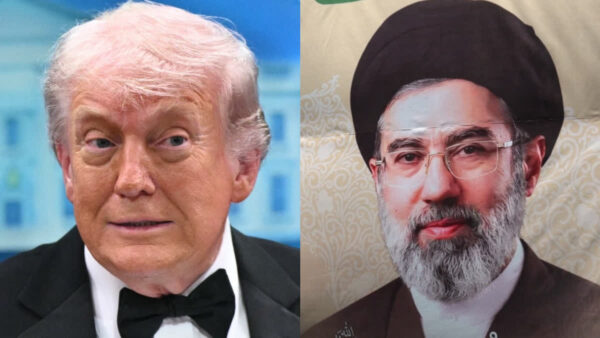
The development comes as Iranian Foreign Minister Abbas Araghchi is in Moscow, leading a diplomatic delegation, after he visited Oman and Pakistan.
In a significant diplomatic manoeuvre aimed at de-escalating regional tensions, Tehran has reportedly submitted a new three-stage proposal to Washington through intermediaries.
The Iranian offer outlines a framework to “reopen the Strait of Hormuz and end the war,” signalling a potential breakthrough in the protracted conflict, according to a report by Al Mayadeen.
The three-stage proposal outlines an initial phase focused on ending US-Israeli aggression and securing guarantees that fighting will not resume against Iran and Lebanon. During this stage, Iran would not discuss any other issues, the report said. The plan envisions coordination with Oman.
If agreement is reached on the first phase, discussions would move to a second stage centred on the management of the Strait of Hormuz. The plan envisions coordination with Oman to establish a new legal framework governing the strategic waterway, according to the Al Mayadeen report.
The third phase, it said, would address Iran’s nuclear program, which Tehran would only be prepared to discuss after agreements are reached on the first two phases.
The development comes as Iranian Foreign Minister Abbas Araghchi is in Moscow, leading a diplomatic delegation, after he visited Oman and Pakistan.
US President Donald Trump recently remarked that Tehran could “call” Washington should it wish to negotiate, while maintaining his firm stance that Iran must never acquire nuclear weapons.
On Sunday, President Trump expressed his reluctance to deploy a negotiating team, stating, “I see no point in sending them (US negotiators) on an 18-hour flight in the current situation. It’s too long.” He further added, “We can do it just as well by telephone. The Iranians can call us if they want. We are not gonna travel just to sit there.”
Despite a cessation of full-scale combat following US-Israeli military strikes on February 28, a formal peace treaty has yet to materialise. The ongoing hostilities have resulted in thousands of casualties and significant global economic instability.
Tehran continues to use its strategic position over the Strait of Hormuz, a conduit for approximately 20 per cent of global oil, as leverage. Meanwhile, the US maritime blockade of Iranian ports continues to drive “price spikes and market volatility.”
Tehran has maintained that Washington must first eliminate “obstacles,” most notably the naval blockade, before substantive talks can take place. The Iranian position also includes requests for “compensation,” a revised “legal framework governing the strait,” and assurances against future military intervention.
Conversely, the US remains focused on forcing Iran to scale back its “nuclear ambitions,” missile development, and ties to regional groups. These conflicting priorities illustrate the “wide gaps” that continue to divide the two nations as they navigate this fragile diplomatic opening.
Leave a Reply